



Introduction
Travel photography is a dynamic genre that encompasses the beauty of landscapes as well as the rich tapestry of cultures, communities, and moments encountered along the journey. Whether you’re capturing the sprawling vistas of the Grand Canyon or the intimate portraits of street vendors in Bangkok, honing the art of travel photography can transform your personal experiences into visual narratives that resonate with viewers. This article delves into the techniques and philosophies that can elevate your travel photography, ensuring that each shot is a masterpiece of memory and emotion.
Understanding Composition
At the heart of every stunning photograph lies the principle of composition. The classic rule of thirds divides the frame into a grid of nine equal parts, encouraging photographers to position key elements along these lines or at their intersections. This technique often results in a more balanced and engaging image.
In travel photography, experimenting with leading lines can guide the viewer’s eye through the scene. Roads, rivers, or architectural features naturally draw attention and create depth. Additionally, framing your subject using natural elements such as trees or archways can add context and enhance the story behind your shot.
Lighting: The Photographer’s Palette
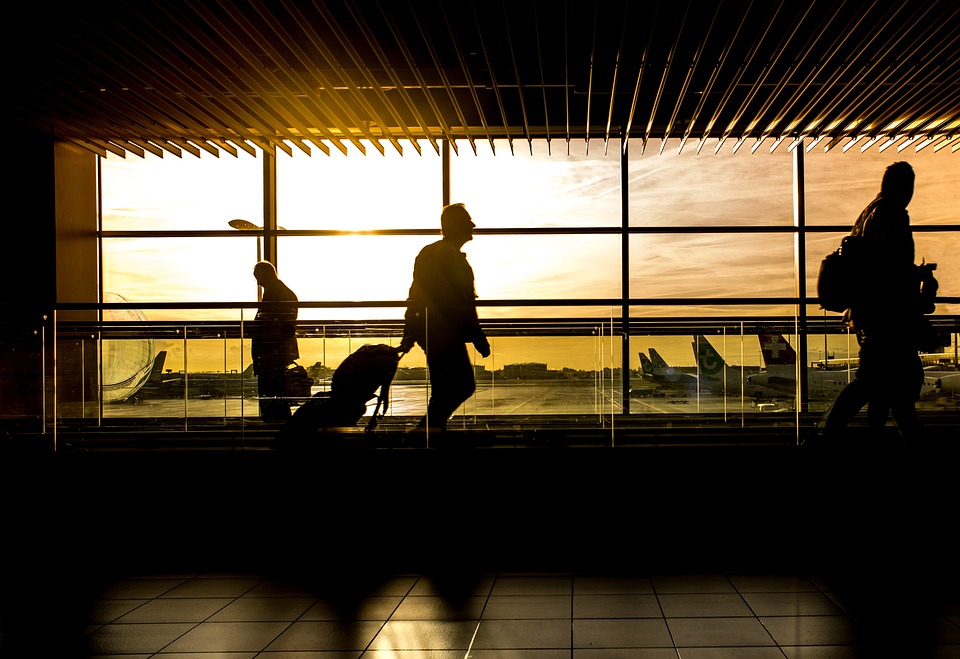
The quality of light can greatly impact the mood and feel of a photograph. The golden hour, which occurs shortly after sunrise and before sunset, provides a soft, diffused light that enhances colors and textures. Conversely, harsh midday sun can create unwanted shadows and blown-out highlights. Understanding how to utilize both natural light and artificial sources is crucial for creating compelling images.
For portrait photography, diffused light can be particularly flattering. Seek shaded areas or use a reflector to bounce light onto your subject’s face, minimizing harsh shadows. When photographing landscapes, take advantage of dramatic weather conditions—clouds or storms can create powerful visuals that evoke emotion.
Technical Aspects: Gear and Settings
Investing in a suitable camera and lens is fundamental, but equally important is understanding how to use them effectively. A DSLR or mirrorless camera paired with a versatile zoom lens (such as 24-70mm) provides flexibility for different scenarios. Lenses with wider apertures (like f/2.8) not only allow for beautiful bokeh in portraits but also perform better in low-light conditions.
Adjusting your camera settings to suit the environment is vital. Familiarize yourself with ISO, shutter speed, and aperture. For example, when shooting landscapes, use a smaller aperture (higher f-number) to achieve a greater depth of field, ensuring that both foreground and background elements are in sharp focus.
The Human Element: Capturing Stories
Travel photography goes beyond mere landscapes; it’s about capturing the essence of places and the people who inhabit them. Engaging with locals, understanding their stories, and seeking permission to photograph them can transform your shots into powerful narratives. A photograph of a smiling villager or a bustling market can evoke emotions and connect viewers to unfamiliar cultures.
When photographing people, consider candid shots that capture genuine emotions. A spontaneous laugh or a contemplative gaze often conveys more than a posed portrait. Approach your subjects respectfully and be mindful of cultural sensitivities to ensure that your images tell an authentic story without exploitation.
Editing: Enhancing Without Overdoing
Post-processing is an essential part of modern photography, allowing you to enhance colors, contrast, and details. Software like Adobe Lightroom and Photoshop offers powerful tools to refine your images. However, it’s crucial to strike a balance—editing should enhance rather than overshadow the original moment.
Consider using presets for a consistent look across your travel portfolio, but remember that each image may require individual adjustments. Focus on correcting exposure and white balance first, followed by subtle enhancements in saturation and sharpness to bring your images to life.
Building a Portfolio
A well-curated photography portfolio serves as both a visual diary of your travels and a tool for showcasing your skills. Select a diverse range of images that highlight your proficiency in different aspects of travel photography—landscapes, portraits, street photography, and cultural events. Aim for a cohesive style that reflects your unique perspective as a traveler.
Sharing your work through social media platforms, blogs, or online galleries can connect you with other photographers and broaden your audience. Engage with your audience by sharing the stories behind your photos, creating a richer experience for viewers and fostering a community around your work.
Conclusion
Mastering the art of travel photography is a journey that mirrors the exploration of the world. Each shot encapsulates moments and narratives waiting to be told, offering insights into cultures and environments that might otherwise go unnoticed. Through understanding composition, playing with light, mastering your equipment, and engaging with subjects, you can elevate your photography from mere snapshots to captivating visual stories. So grab your camera, explore new landscapes and faces, and let your lens do the talking.